

Introduction to Staphylococcus aureus
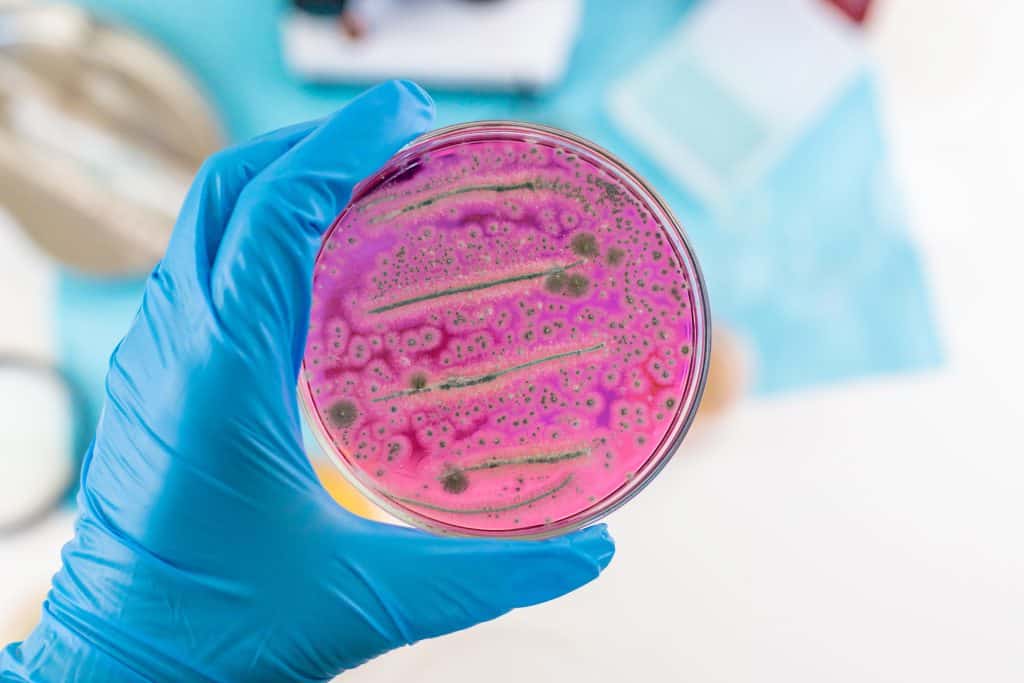
Staphylococcus aureus Infection is one of the most important human bacterial pathogens responsible for a wide range of infections, from mild skin diseases to life-threatening systemic disorders such as sepsis, pneumonia, endocarditis, and toxic shock syndrome. S. aureus belongs to the Micrococcaceae family and appears microscopically as gram-positive cocci arranged in grape-like clusters.
This bacterium is distinguished from other staphylococcal species by several laboratory characteristics, including:
- Golden-yellow colony pigmentation
- Positive coagulase test
- Mannitol fermentation ability
- Positive deoxyribonuclease (DNase) activity
Its remarkable adaptability, virulence mechanisms, and increasing antimicrobial resistance make S. aureus a major concern in clinical microbiology and infectious disease management.
Genome and Genetic Organization of S. aureus
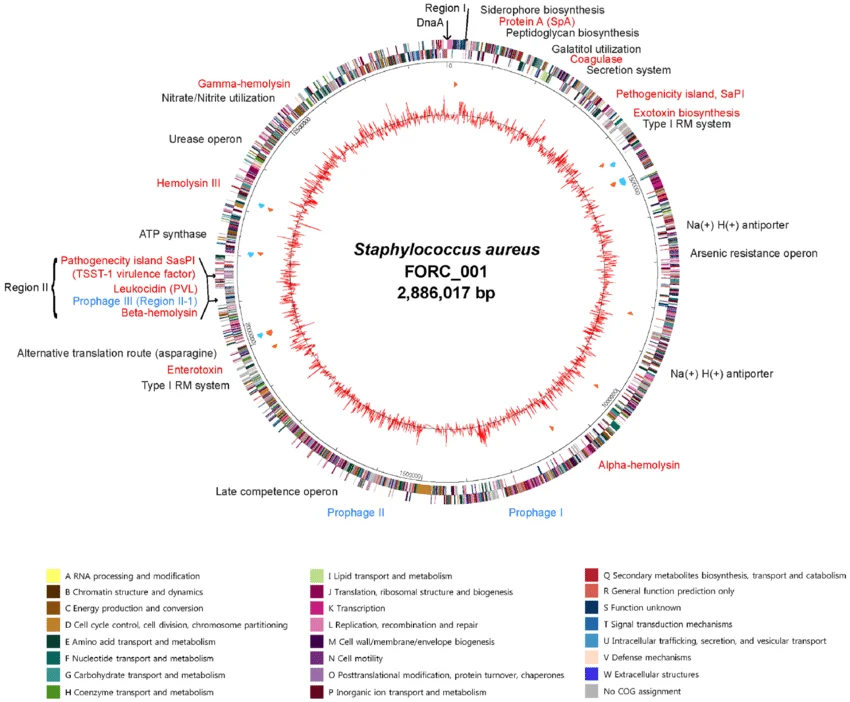
The S. aureus genome contains a circular chromosome associated with plasmids, prophages, and transposons. These mobile genetic elements play a critical role in the transfer of virulence genes and antibiotic-resistance determinants between bacterial strains and even between different gram-positive bacterial species.
Genes involved in:
- toxin production
- immune evasion
- adhesion
- biofilm formation
- antibiotic resistance
can be located either on the chromosome or on extrachromosomal DNA elements. This genetic flexibility contributes to the rapid evolution and global spread of highly virulent and multidrug-resistant strains such as methicillin-resistant S. aureus (MRSA).
Structure of the S. aureus Cell Wall
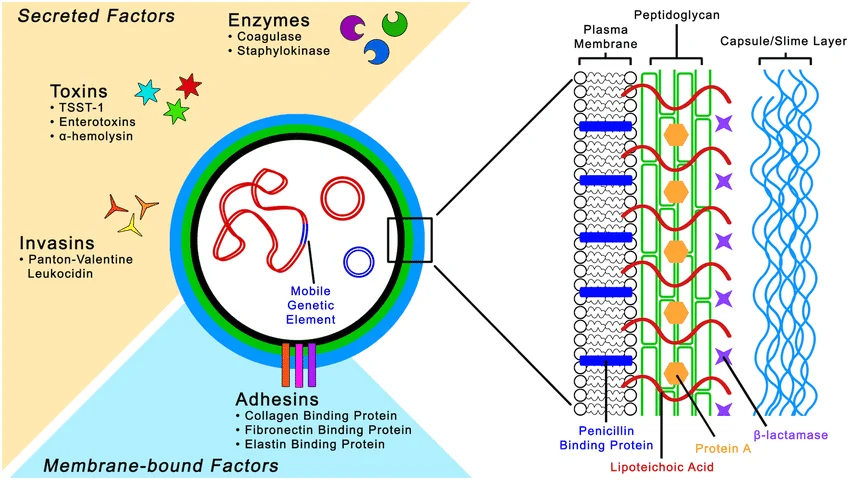
The cell wall of S. aureus is thick and highly organized, accounting for nearly 50% peptidoglycan by weight.
Peptidoglycan Composition
Peptidoglycan consists of alternating units of:
- N-acetylglucosamine (NAG)
- N-acetylmuramic acid (NAM)
linked by β-1,4 glycosidic bonds.
The peptidoglycan chains are strengthened by:
- tetrapeptide cross-links
- pentaglycine bridges specific to S. aureus
This structure provides:
- mechanical stability
- resistance to osmotic stress
- protection from environmental damage
Peptidoglycan also acts as a pro-inflammatory molecule capable of:
- activating macrophages
- stimulating cytokine release
- triggering complement activation
- promoting platelet aggregation
These effects contribute to inflammation and systemic complications such as disseminated intravascular coagulation (DIC).
Teichoic Acids and Lipoteichoic Acid
The cell wall also contains:
- ribitol teichoic acids
- lipoteichoic acid (LTA)
Teichoic acids are covalently linked to peptidoglycan, while lipoteichoic acid is anchored to the cytoplasmic membrane through glycolipid structures.
These molecules are important for:
- bacterial adhesion
- colonization
- immune system activation
- inflammatory signaling
Lipoteichoic acid particularly contributes to septic shock–like inflammatory responses.
Capsule and Immune Evasion
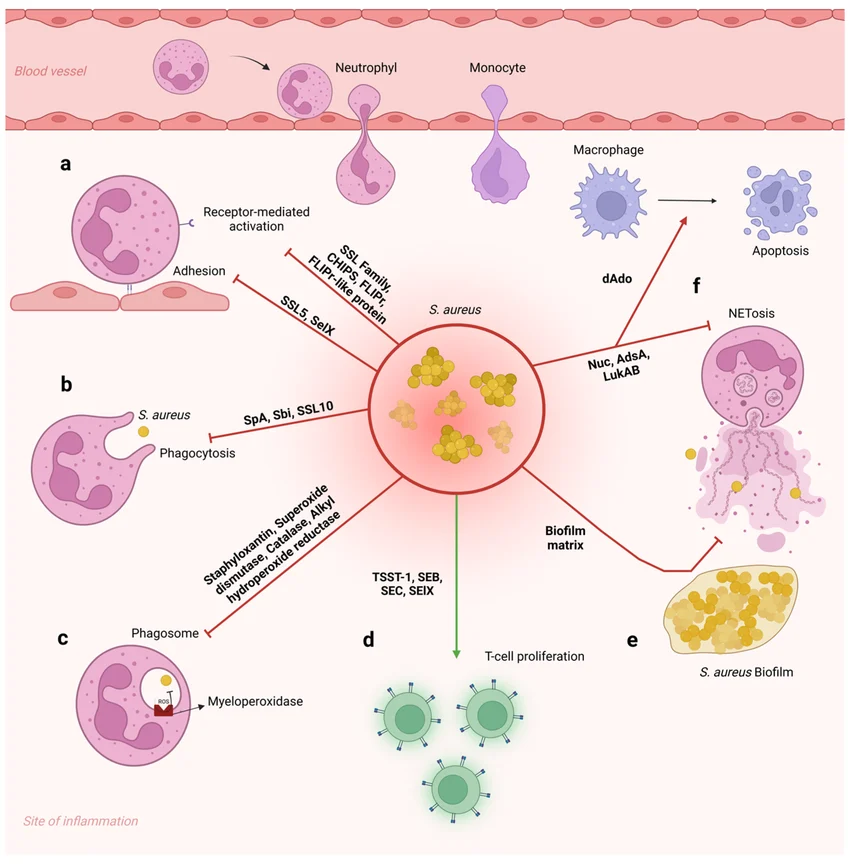
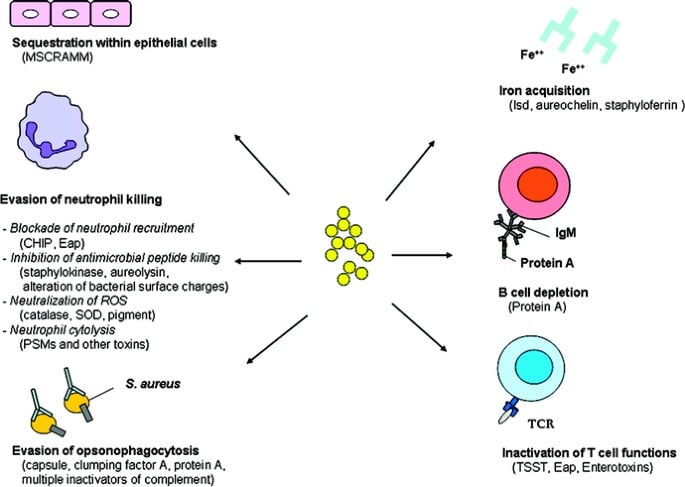
Most S. aureus strains produce a polysaccharide capsule or microcapsule that protects the bacterium against phagocytosis.
Among the identified capsule serotypes:
- Type 5
- Type 8
are responsible for approximately 75% of human infections.
Many MRSA isolates belong to serotype 5. These capsular polysaccharides help bacteria evade host immune defenses and survive within tissues and bloodstream environments.
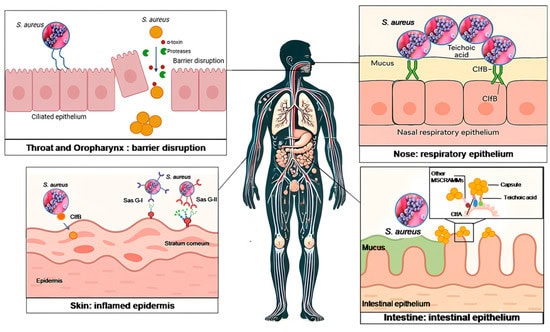
Surface Proteins and Bacterial Adhesion
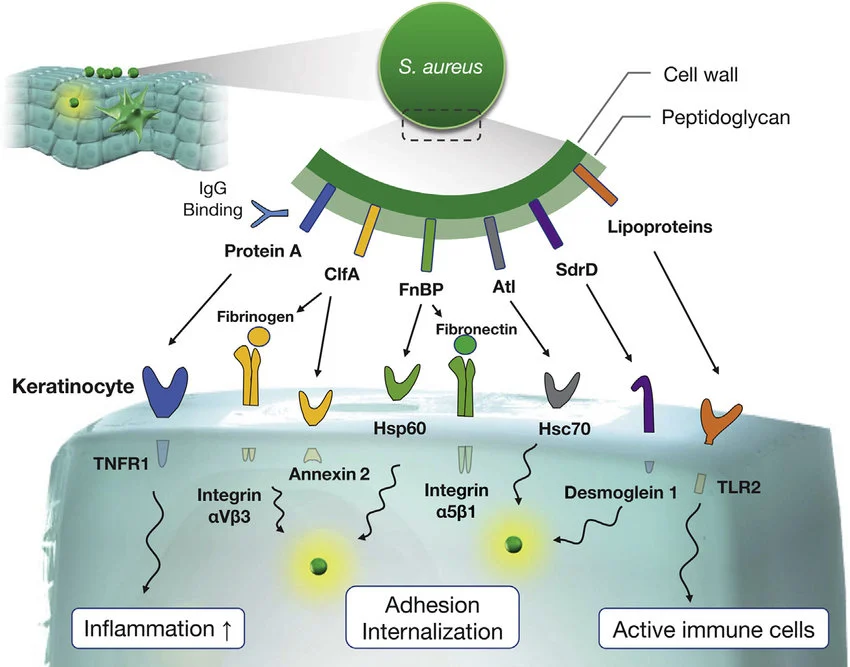
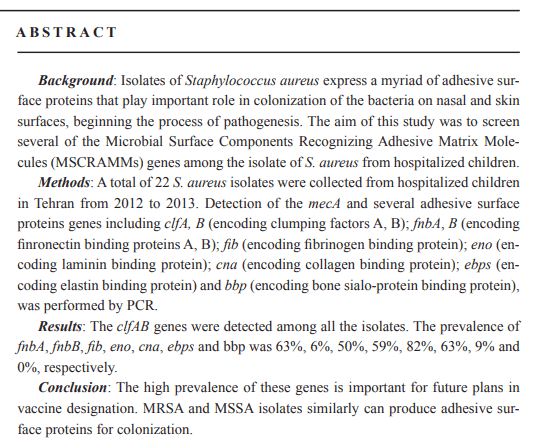
S. aureus expresses numerous surface proteins involved in host colonization and tissue invasion.
These proteins share common structural features:
- signal peptides
- membrane-spanning domains
- cell wall anchoring regions
- extracellular ligand-binding domains
Many function as adhesins that bind extracellular matrix proteins such as:
- fibronectin
- fibrinogen
- collagen
These proteins are collectively called:
MSCRAMMs
Microbial Surface Components Recognizing Adhesive Matrix Molecules
MSCRAMMs are essential for:
- tissue colonization
- biofilm formation
- endothelial adhesion
- prosthetic device infections
Protein A and Immune System Evasion
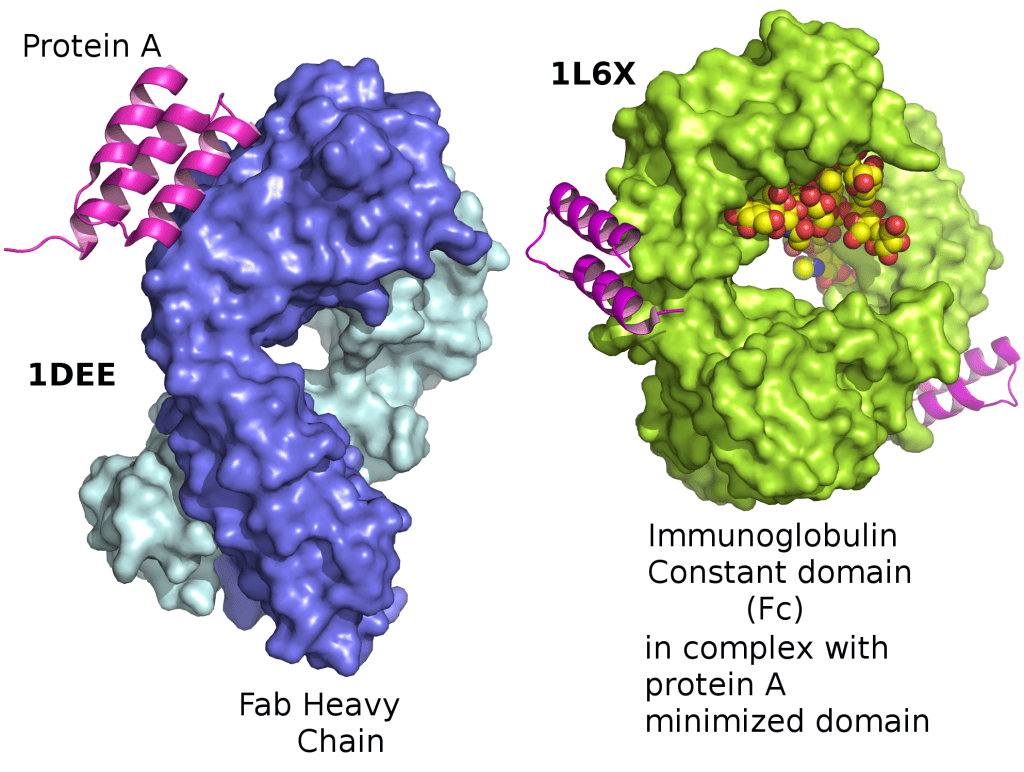
One of the most important surface proteins is Protein A.
Protein A binds the Fc region of immunoglobulin G (IgG), preventing proper antibody-mediated phagocytosis.
This mechanism:
- disrupts opsonization
- inhibits immune clearance
- enhances bacterial survival inside the host
Toxins Produced by S. aureus
S. aureus produces several toxins with different biological activities.
Cytotoxins
Alpha toxin is a pore-forming cytotoxin that damages mammalian cell membranes and contributes to:
- tissue destruction
- inflammation
- sepsis syndrome
Superantigen Toxins
Pyrogenic toxin superantigens include:
- toxic shock syndrome toxin-1 (TSST-1)
- staphylococcal enterotoxins
These toxins bind directly to:
- MHC class II molecules
- T-cell receptors
causing:
- massive T-cell activation
- excessive cytokine release
- systemic inflammatory responses
This mechanism leads to:
- toxic shock syndrome
- fever
- hypotension
- multiorgan dysfunction
Exfoliative Toxins
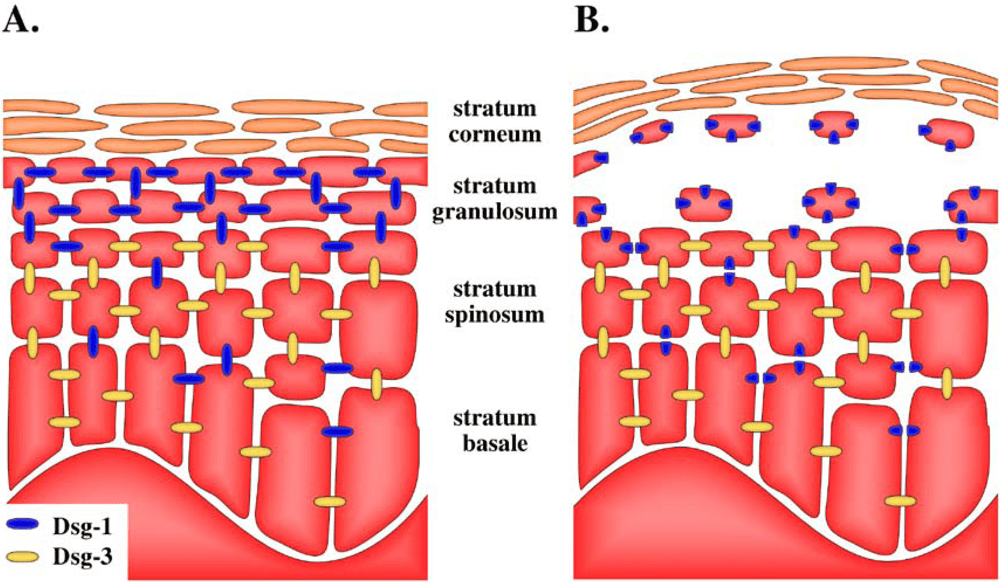
Exfoliative toxins A and B are responsible for:
- skin erythema
- epidermal separation
- staphylococcal scalded skin syndrome
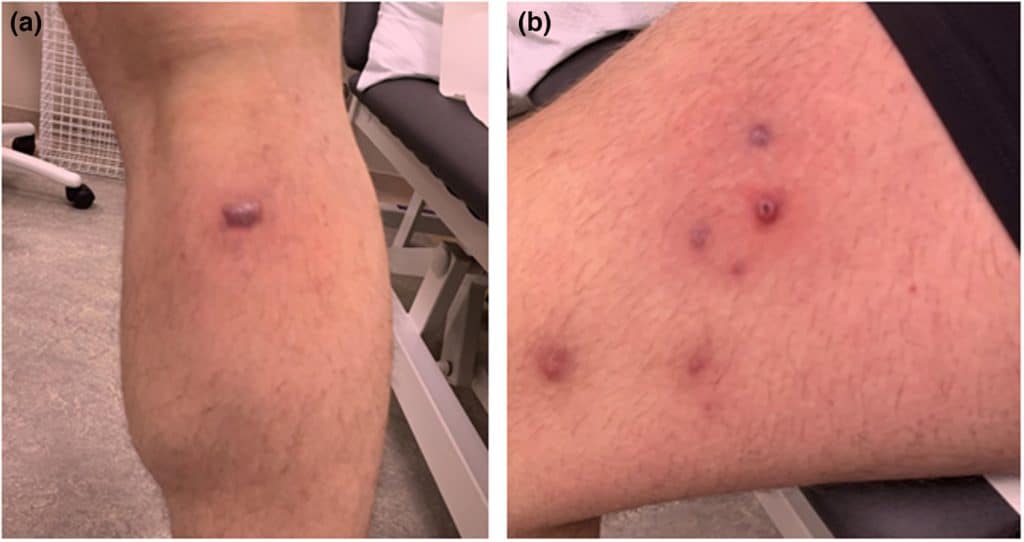
Panton-Valentine Leukocidin (PVL)
PVL is a leukocyte-destroying toxin associated with:
- severe skin infections
- necrotizing pneumonia
- aggressive community-acquired MRSA infections
Enzymes and Tissue Invasion
S. aureus secretes multiple enzymes that facilitate tissue destruction and bacterial spread, including:
- proteases
- lipases
- hyaluronidase
- coagulase
Coagulase converts fibrinogen into fibrin, helping bacteria evade immune responses by forming protective fibrin barriers.
β-lactamase production enables resistance to penicillin antibiotics through hydrolysis of the β-lactam ring.
Regulation of Virulence Gene Expression
Virulence factor expression in S. aureus is tightly controlled by global regulatory systems such as:
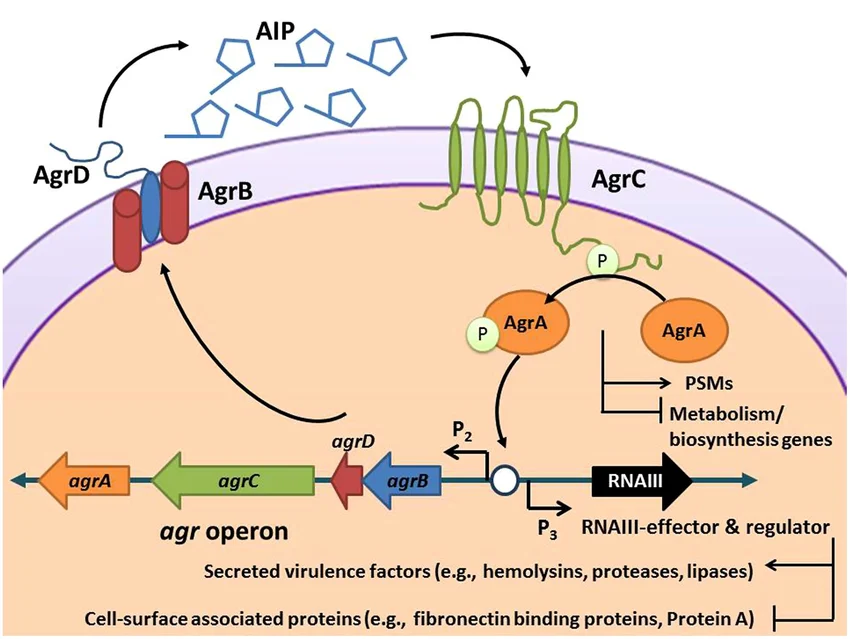
agr Regulatory System
The accessory gene regulator (agr) system controls bacterial behavior according to cell density through quorum sensing.
During:
- exponential growth → surface proteins are produced
- stationary phase → secreted toxins and enzymes are produced
This coordinated regulation allows bacteria to:
- colonize host tissues
- invade surrounding tissues
- spread systemically
Epidemiology of S. aureus Infections
Humans are the natural reservoir of S. aureus.
Colonization
Approximately:
- 30–50% of healthy adults are colonized
- 10–20% are persistent carriers
Common colonization sites include:
- nasal passages
- skin
- pharynx
- axillae
- vagina
Colonized individuals have a significantly increased risk of infection.
Transmission of S. aureus
Hospital-acquired infections commonly occur through:
- contaminated hands of healthcare workers
- invasive medical devices
- contact with colonized patients
Nosocomial transmission remains a major clinical challenge.
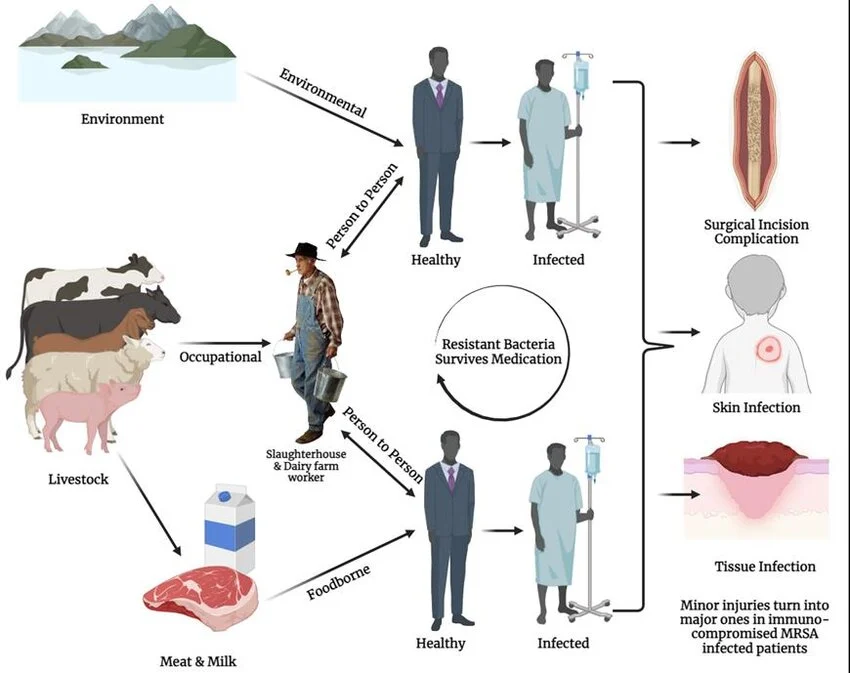
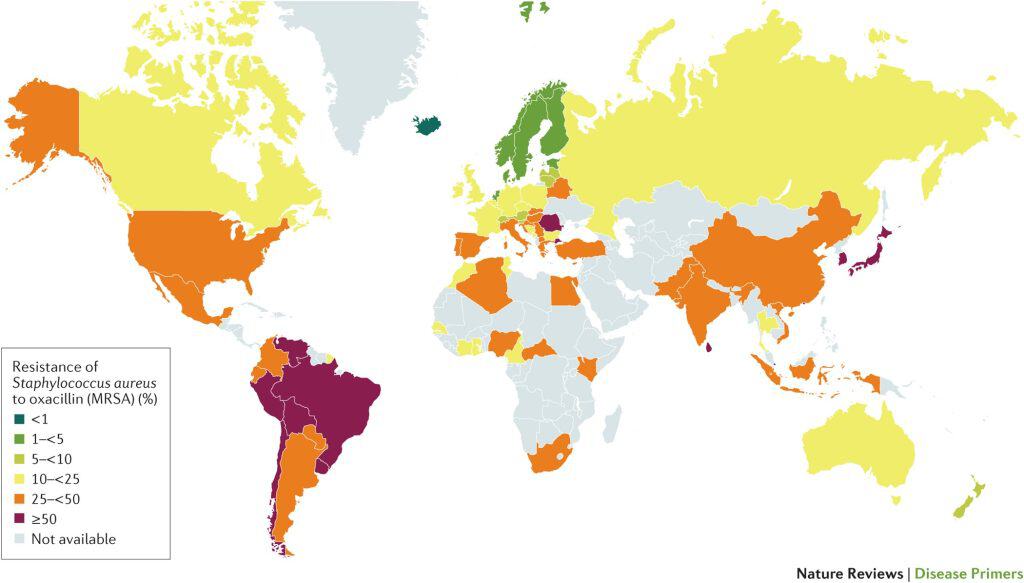
Rise of Methicillin-Resistant S. aureus (MRSA)
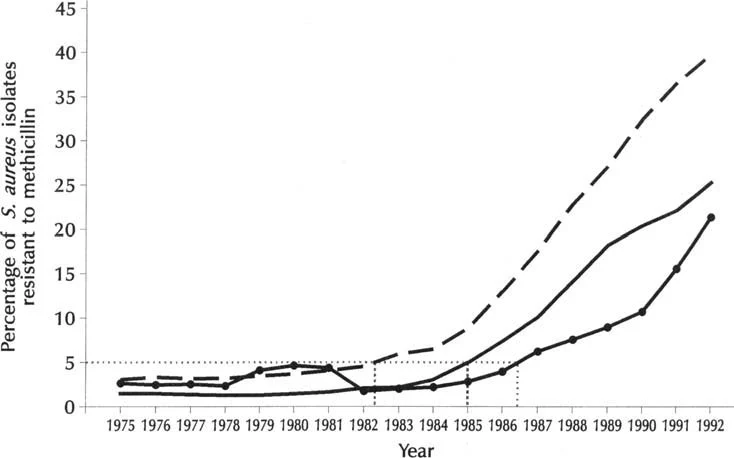
Methicillin-resistant Staphylococcus aureus has emerged as a global public health problem.
MRSA strains:
- resist methicillin and β-lactam antibiotics
- frequently show multidrug resistance
- spread rapidly in hospitals and communities
The mecA gene encodes an altered penicillin-binding protein (PBP2a), reducing β-lactam antibiotic effectiveness.
Pathogenesis of S. aureus Disease
Infection usually begins when skin or mucosal barriers are disrupted.
The severity of disease depends on:
- bacterial virulence factors
- host immune response
- presence of foreign devices
- immune status of the patient
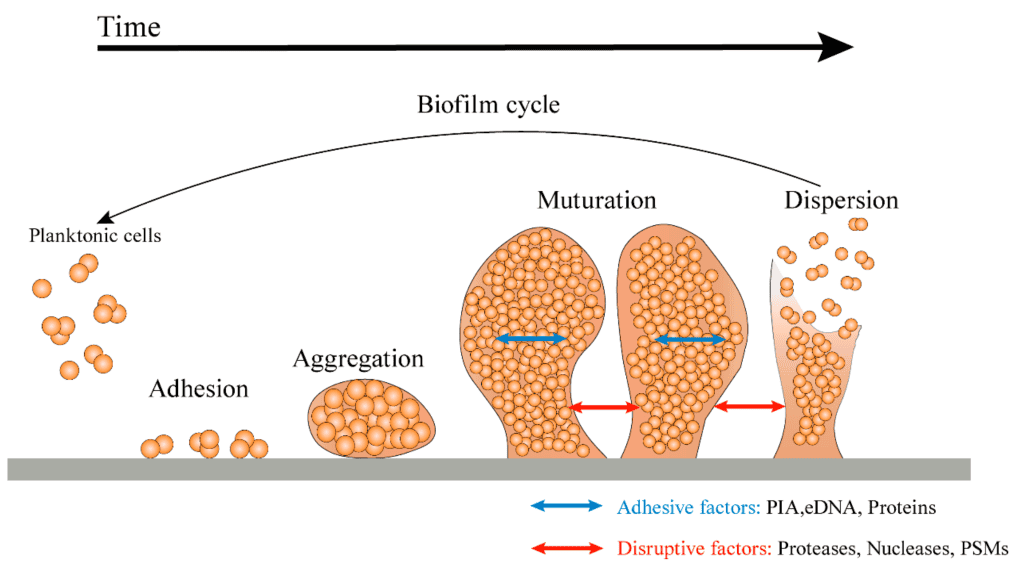
Biofilm Formation and Medical Devices
Foreign materials such as:
- catheters
- prosthetic valves
- orthopedic implants
facilitate bacterial adhesion and biofilm development.
Biofilms:
- protect bacteria from antibiotics
- impair immune clearance
- promote chronic infection
Invasive Infections
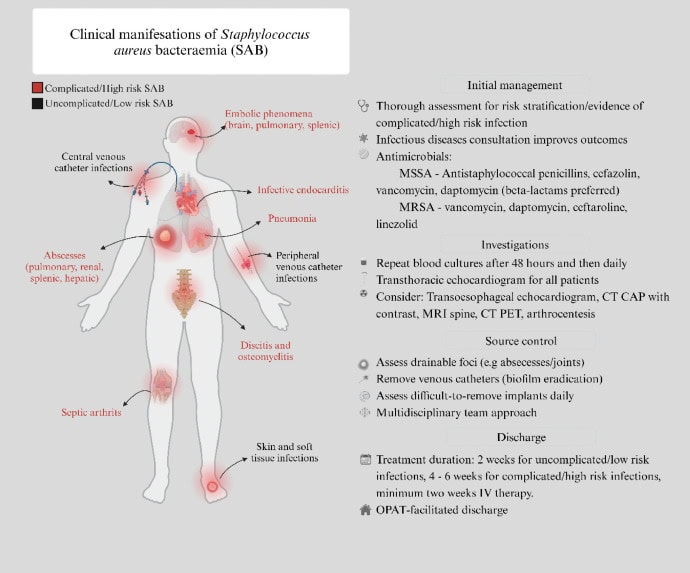
Bacteremia
S. aureus bacteremia can lead to:
- metastatic infections
- sepsis
- endocarditis
Mortality rates remain high despite treatment.
Endocarditis
S. aureus is one of the leading causes of infective endocarditis.
The bacterium adheres to:
- damaged heart valves
- prosthetic valves
- endothelial tissue
causing:
- vegetation formation
- embolic complications
- valvular destruction
Sepsis and Septic Shock
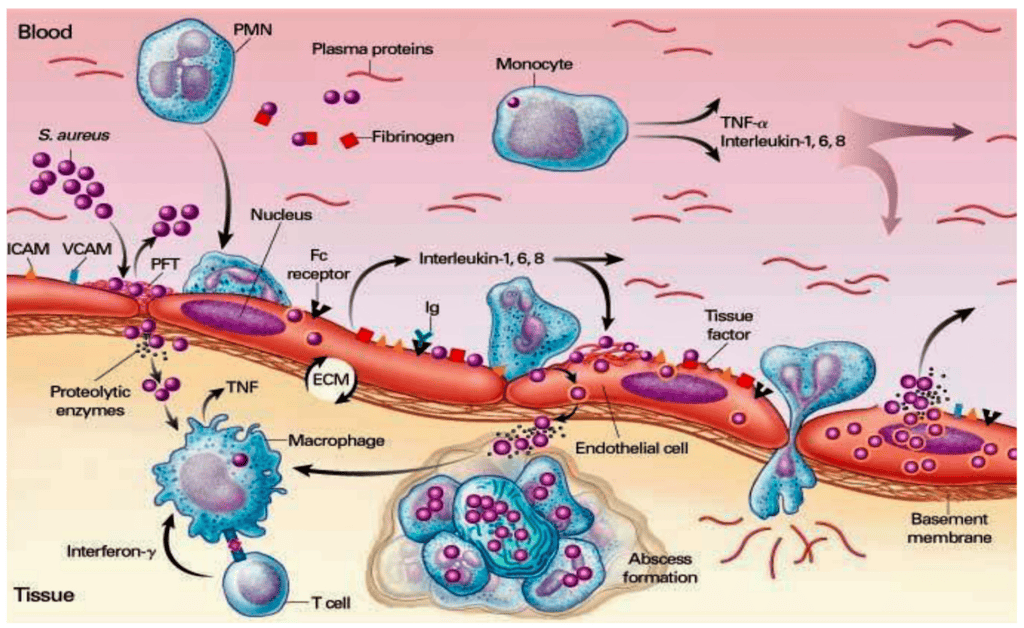
Staphylococcal sepsis involves:
- cytokine storm activation
- complement activation
- coagulation abnormalities
- multiorgan dysfunction
Important inflammatory mediators include:
- tumor necrosis factor-alpha (TNF-α)
- interleukin-1
- interleukin-6
- interleukin-8
Toxic Shock Syndrome
Toxic Shock Syndrome is caused by superantigen toxins and is characterized by:
- sudden fever
- hypotension
- rash
- desquamation
- multiorgan failure
Both menstrual and non-menstrual forms exist.
Antibiotic Resistance Mechanisms
Resistance mechanisms include:
- β-lactamase production
- altered penicillin-binding proteins
- cell wall modifications
- horizontal gene transfer
The emergence of:
- vancomycin-intermediate S. aureus (VISA)
- glycopeptide-resistant strains
poses major therapeutic concerns.
Treatment of S. aureus Infections
Treatment depends on susceptibility patterns.
Methicillin-Sensitive S. aureus (MSSA)
Preferred therapies include:
- nafcillin
- oxacillin
- cefazolin
MRSA Treatment
Common MRSA therapies include:
- vancomycin
- clindamycin
- trimethoprim-sulfamethoxazole
- linezolid
- daptomycin
Severe infections often require:
- prolonged intravenous therapy
- drainage of abscesses
- removal of infected devices
Prevention Strategies
Preventive measures include:
- strict infection-control procedures
- hand hygiene
- decolonization protocols
- mupirocin nasal therapy
- surveillance of resistant strains
Research is ongoing into:
- antistaphylococcal vaccines
- immune-based therapies
- anti-biofilm strategies
Conclusion
Staphylococcus aureus is a highly adaptable and dangerous bacterial pathogen with a broad spectrum of virulence factors, toxins, and antibiotic resistance mechanisms. Its ability to colonize host tissues, evade immune defenses, form biofilms, and develop multidrug resistance makes it a major cause of hospital-acquired and community-acquired infections worldwide. Understanding the molecular biology, pathogenesis, epidemiology, and resistance mechanisms of S. aureus is essential for improving diagnosis, treatment, infection control, and future therapeutic strategies.