


Introduction to DNA Methylation
DNA methylation is one of the most important epigenetic modifications involved in the regulation of gene expression in eukaryotic organisms. Since the discovery of 5-methylcytosine (5-mC) in 1948, DNA methylation has become a central topic in molecular biology, developmental genetics, cancer research, and epigenetics. This biochemical process involves the addition of a methyl group to the fifth carbon position of the cytosine ring, primarily within CpG dinucleotides, where a cytosine nucleotide is followed by a guanine nucleotide in the DNA sequence.
DNA methylation is catalyzed by a family of enzymes known as DNA methyltransferases (DNMTs), which transfer methyl groups from S-adenosylmethionine to cytosine residues. This modification does not alter the nucleotide sequence itself but strongly influences gene activity, chromatin organization, genome stability, and cellular differentiation. Because of this, DNA methylation is considered a major epigenetic regulatory mechanism that controls how genes are switched on or off without changing the genetic code.
In mammals and plants, DNA methylation is widespread throughout the genome and plays critical roles in embryonic development, genomic imprinting, X-chromosome inactivation, suppression of transposable elements, and tissue-specific gene expression. In contrast, some eukaryotic organisms such as Drosophila melanogaster and Saccharomyces cerevisiae exhibit very low or undetectable levels of DNA methylation, which initially generated debate regarding the biological necessity of this epigenetic process. However, experiments involving DNA methyltransferase knockout models later demonstrated that abnormal methylation patterns can lead to developmental defects and embryonic lethality, highlighting the essential role of DNA methylation in normal physiology.
Today, DNA methylation is recognized as a dynamic and highly regulated process involved in development, aging, immune regulation, stem cell biology, cancer progression, and response to environmental signals.
Distribution of DNA Methylation and CpG Islands
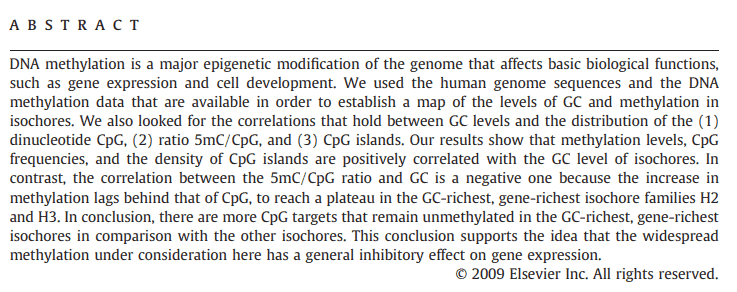
DNA methylation is not uniformly distributed across the genome. Instead, vertebrate genomes contain heavily methylated regions interspersed with unmethylated domains. One of the most characteristic features of methylation patterns in higher eukaryotes is the presence of CpG islands.
CpG islands are genomic regions enriched in CpG dinucleotides and typically range from 0.5 to 5 kilobases in length. These regions are generally rich in guanine and cytosine nucleotides and are commonly located near gene promoters. Unlike the majority of the genome, CpG islands are usually unmethylated in normal cells, allowing active transcription of associated genes.
Most housekeeping genes contain CpG islands in their promoter regions. These genes are required for essential cellular functions and are expressed in nearly all tissues. Some tissue-specific genes also contain CpG islands, although many tissue-restricted genes lack these structures and instead display methylation patterns that vary depending on the tissue type and developmental stage.
The methylated regions of the genome are generally associated with condensed chromatin, late DNA replication timing, reduced accessibility to transcription factors, and transcriptional silencing. In contrast, CpG islands are associated with open chromatin architecture, histone acetylation, reduced nucleosome density, and active transcriptional states.
The depletion of CpG dinucleotides across vertebrate genomes is thought to result from spontaneous deamination of methylated cytosines into thymine residues over evolutionary time. This process contributes significantly to mutation accumulation and genome evolution.
DNA Methyltransferases and Epigenetic Regulation
DNA methylation is mediated by enzymes called DNA methyltransferases (DNMTs). These enzymes recognize CpG sequences and catalyze methyl group transfer onto cytosine residues.
DNMT1 and Maintenance Methylation
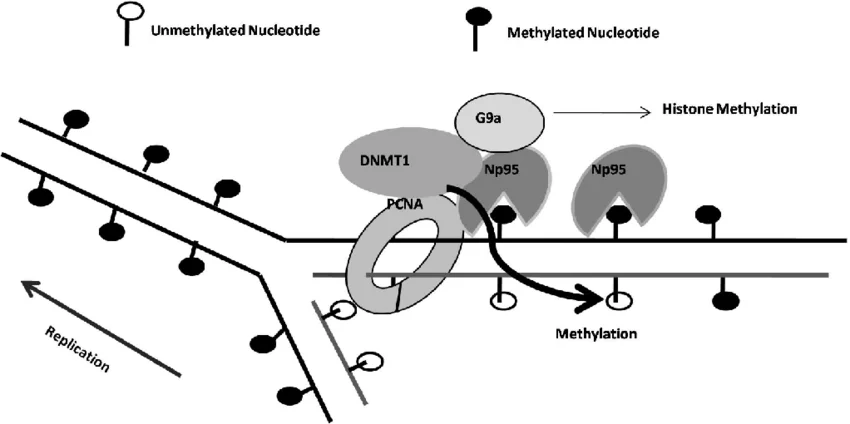
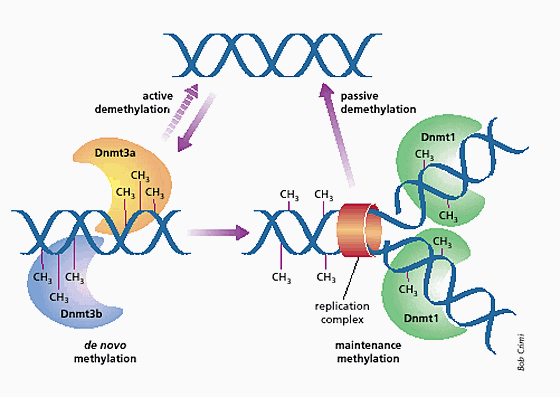
The first mammalian DNA methyltransferase identified was DNMT1, which is highly conserved among eukaryotic species. DNMT1 preferentially recognizes hemimethylated DNA generated after DNA replication and restores symmetrical methylation patterns on daughter strands. Because of this function, DNMT1 is considered the primary maintenance methyltransferase responsible for preserving epigenetic information during cell division.
DNMT1 also possesses de novo methylation activity under certain conditions, particularly when interacting with abnormal DNA structures or preexisting methylated cytosines.
De Novo DNA Methylation
Additional DNA methyltransferases, including DNMT2 and later characterized enzymes such as DNMT3A and DNMT3B, participate in establishing new methylation patterns during embryogenesis, differentiation, and cellular reprogramming.
De novo methylation is especially important during early embryonic development when the genome undergoes large-scale epigenetic remodeling. These methylation patterns help establish cell lineage identity and tissue-specific transcriptional programs.
Loss or dysregulation of DNMT activity can profoundly affect gene expression, chromatin stability, and genome integrity, leading to developmental disorders and tumorigenesis.
Experimental Techniques Used to Study DNA Methylation
Several molecular methods have been developed to analyze DNA methylation patterns.
Restriction Enzyme-Based Methods
Early studies relied on methylation-sensitive restriction enzymes that cleave DNA only when CpG sites are unmethylated. Combined with Southern blotting or PCR amplification, these methods enabled detection of site-specific methylation.
However, these techniques are limited because they only analyze CpG sites located within enzyme recognition sequences.
Bisulfite Sequencing
One of the most important advances in epigenetics research was the development of bisulfite conversion technology.
During bisulfite treatment:
- Unmethylated cytosines are converted into uracil
- Methylated cytosines remain unchanged
Following PCR amplification and sequencing, researchers can distinguish methylated from unmethylated cytosines with single-base resolution.
Bisulfite sequencing remains the gold standard for DNA methylation analysis and is widely used in epigenomics, cancer diagnostics, developmental biology, and biomarker discovery.
PCR-Based Methylation Detection
Several rapid PCR-based approaches have also been developed, including:
- Methylation-specific PCR (MSP)
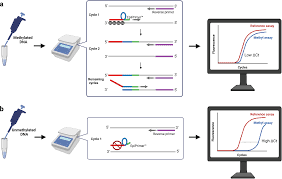
- Quantitative methylation PCR
- Pyrosequencing
- High-resolution melting analysis
These methods enable sensitive detection of methylation alterations in clinical samples and research applications.
DNA Methylation and Transcriptional Repression
One of the major biological functions of DNA methylation is transcriptional repression.
In many genes, promoter methylation correlates strongly with reduced transcriptional activity. Several mechanisms explain how methylation suppresses gene expression.
Direct Inhibition of Transcription Factor Binding
Many transcription factors require unmethylated CpG sites for efficient DNA binding. Methylation of these sites prevents transcription factor interaction and blocks transcription initiation.
Transcription factors affected by methylation include:
- AP-2
- CREB
- E2F
- NF-κB
- c-Myc
However, some factors such as Sp1 are relatively insensitive to methylation status.
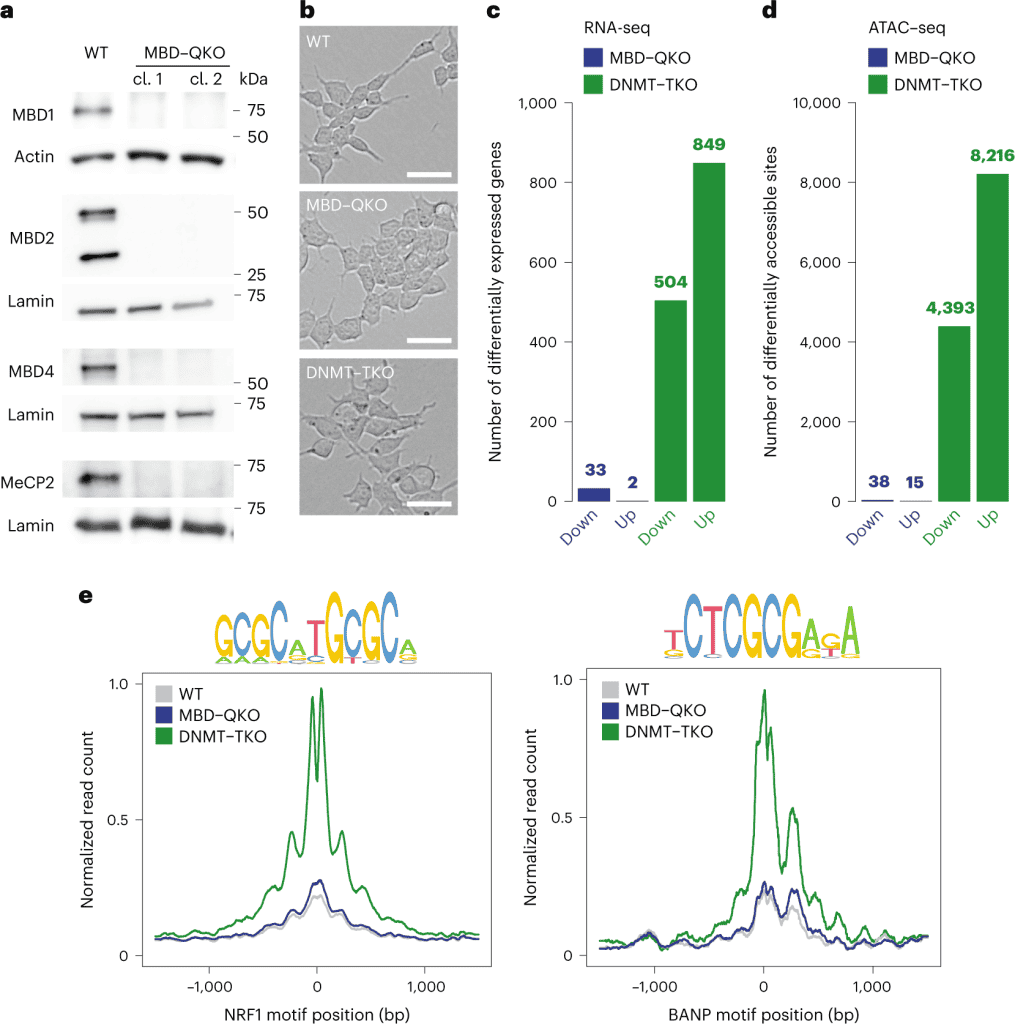
Recruitment of Methyl-CpG Binding Proteins
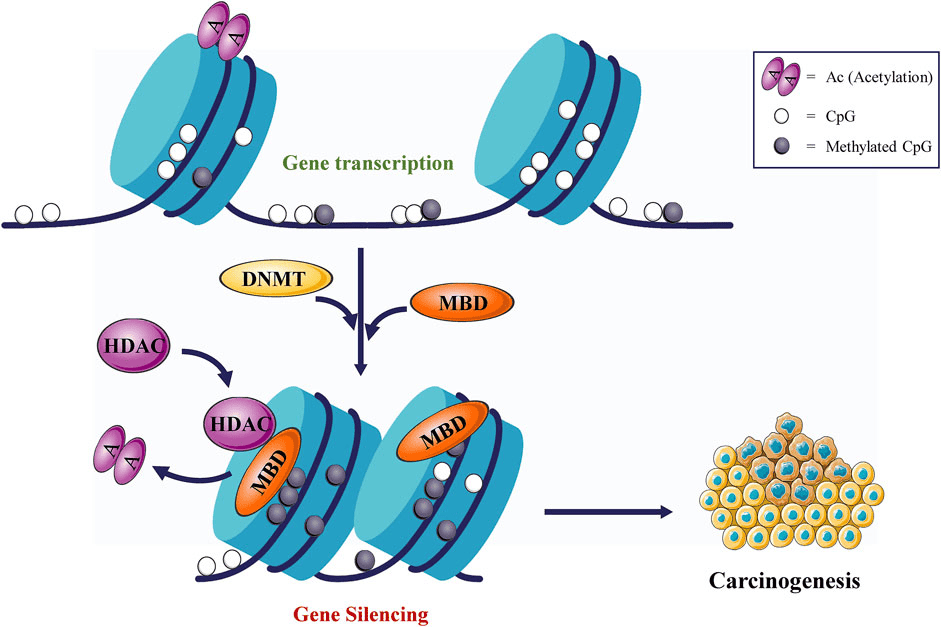
Methylated DNA recruits specialized proteins known as methyl-CpG binding proteins, including MeCP-1 and MeCP-2.
These proteins recognize methylated CpG sites and recruit transcriptional repression complexes containing histone deacetylases (HDACs), chromatin remodeling proteins, and co-repressors.
This process promotes chromatin condensation and stable gene silencing.
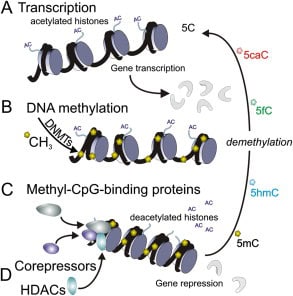
Chromatin Remodeling and Histone Modifications
DNA methylation is closely linked with histone modifications and chromatin organization.
Methylated DNA is commonly associated with:
- Histone deacetylation
- Histone H3 lysine 9 methylation
- Nucleosome stabilization
- Heterochromatin formation
These changes generate transcriptionally inactive chromatin environments that restrict access of transcriptional machinery to DNA.
The interaction between DNA methylation and histone modifications represents a fundamental mechanism of epigenetic regulation.
DNA Demethylation During Development and Differentiation
DNA methylation patterns are highly dynamic during development.
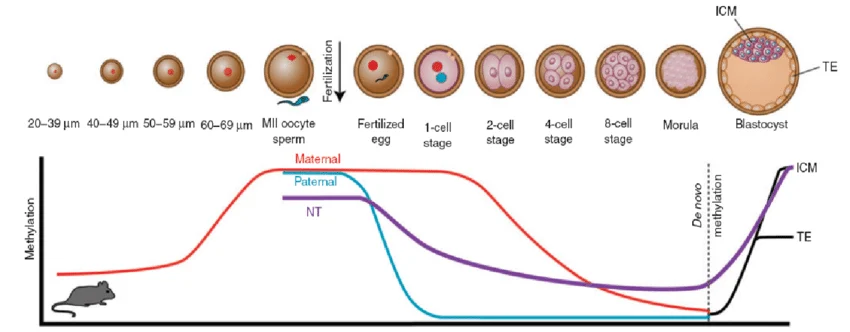
Global Demethylation in Early Embryogenesis
After fertilization, mammalian embryos undergo large-scale genome demethylation. This epigenetic resetting removes many parental methylation marks and restores developmental plasticity.
Subsequently, new methylation patterns are established during implantation and tissue differentiation.
Tissue-Specific Demethylation
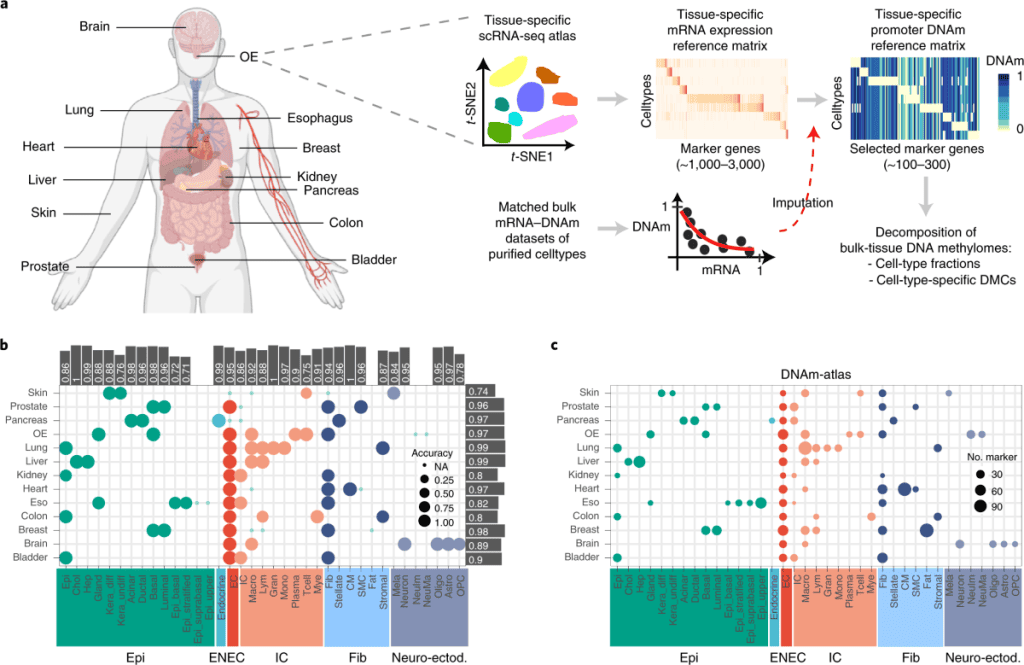
During cellular differentiation, lineage-specific genes often become demethylated in tissues where they need to be expressed.
This process contributes to:
- Stem cell differentiation
- Organ development
- Immune cell specialization
- Neuronal maturation
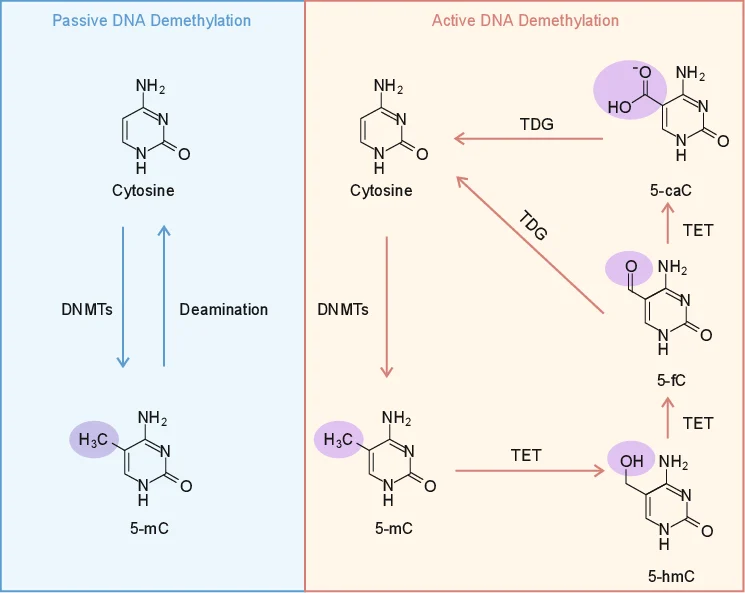
Active and Passive Demethylation
DNA demethylation can occur through:
Passive Demethylation
Failure to maintain methylation during DNA replication.
Active Demethylation
Enzymatic removal or modification of methylated cytosines independently of replication.
Active demethylation mechanisms involve DNA repair pathways and oxidation reactions mediated by TET enzymes, which convert 5-methylcytosine into intermediate derivatives eventually replaced by unmodified cytosines.
DNA Methylation and Cancer
Abnormal DNA methylation is a hallmark of cancer.
Tumor cells frequently exhibit both:
- Global DNA hypomethylation
- Localized promoter hypermethylation
These epigenetic abnormalities contribute to genomic instability, oncogene activation, and tumor suppressor gene silencing.
Global Hypomethylation
Genome-wide hypomethylation can activate:
- Proto-oncogenes
- Retrotransposons
- Repetitive elements
This contributes to chromosomal instability and mutation accumulation.
Hypermethylation of Tumor Suppressor Genes
Many tumor suppressor genes become transcriptionally silenced through promoter CpG island hypermethylation.
Examples include:
- p16 (CDKN2A)
- RB
- VHL
- p15
- BRCA1
- MLH1
Silencing of these genes disrupts cell cycle regulation, apoptosis, DNA repair, and genomic integrity.
Mutation Hotspots at CpG Sites
Methylated cytosines are prone to spontaneous deamination, generating cytosine-to-thymine mutations.
These mutations frequently occur in cancer-associated genes such as TP53, making CpG sites important mutational hotspots in human tumors.
DNA Methyltransferase Activity in Tumor Cells
Many cancers exhibit elevated DNA methyltransferase activity.
Overexpression of DNMTs can promote:
- Aberrant promoter hypermethylation
- Epigenetic silencing of tumor suppressor genes
- Altered chromatin structure
- Malignant transformation
In experimental models, reduction of DNMT activity decreases tumor formation and restores expression of silenced genes.
This evidence supports the concept that epigenetic dysregulation contributes directly to oncogenesis.
Clinical and Therapeutic Applications of DNA Methylation
The study of DNA methylation has major clinical implications.
Epigenetic Biomarkers
Aberrant methylation patterns are widely used as biomarkers for:
- Early cancer detection
- Prognosis prediction
- Treatment monitoring
- Minimal residual disease detection
Methylation-based liquid biopsy technologies are increasingly being used in precision oncology.
DNA Methylation Inhibitors
Several drugs target DNA methylation pathways.
The nucleoside analogs:
- Azacytidine
- Decitabine
inhibit DNA methyltransferases and can reactivate silenced tumor suppressor genes.
These epigenetic therapies are approved for treating:
- Myelodysplastic syndromes
- Acute myeloid leukemia
However, these agents may also affect normal cells and produce significant side effects, emphasizing the need for more selective epigenetic therapies.
Gene Therapy and Transgene Silencing
DNA methylation also affects gene therapy outcomes because foreign DNA introduced into cells often becomes methylated and transcriptionally silenced.
Understanding methylation-mediated transgene repression is critical for improving long-term therapeutic gene expression.
Evolutionary Importance of DNA Methylation
Two major theories explain the evolutionary role of DNA methylation.
Regulation of Gene Expression
DNA methylation may provide an additional layer of transcriptional control that enables vertebrates to manage large and complex genomes with thousands of tissue-specific genes.
Genome Defense Mechanism
Another major hypothesis proposes that methylation evolved primarily as a defense system against:
- Transposable elements
- Endogenous retroviruses
- Viral DNA
- Repetitive genomic sequences
By silencing potentially harmful genetic elements, methylation protects genome stability and prevents uncontrolled transposition.
Both mechanisms likely contributed to the evolutionary conservation of DNA methylation systems.
Conclusion
DNA methylation is a fundamental epigenetic mechanism that regulates gene expression, chromatin organization, genome stability, and cellular identity. Through the coordinated action of DNA methyltransferases, methyl-CpG binding proteins, chromatin remodeling factors, and demethylation pathways, cells establish highly specific transcriptional programs required for normal development and tissue homeostasis.
Abnormal DNA methylation patterns contribute significantly to human diseases, particularly cancer, where promoter hypermethylation and global hypomethylation disrupt critical regulatory networks. Advances in epigenetics have demonstrated that DNA methylation is not only a biomarker of disease but also a promising therapeutic target.
Modern research continues to uncover complex interactions between DNA methylation, histone modifications, chromatin architecture, noncoding RNAs, and transcriptional regulation. Understanding these interconnected epigenetic pathways will be essential for developing next-generation diagnostic tools, personalized therapies, and precision medicine strategies aimed at controlling gene expression in human disease.